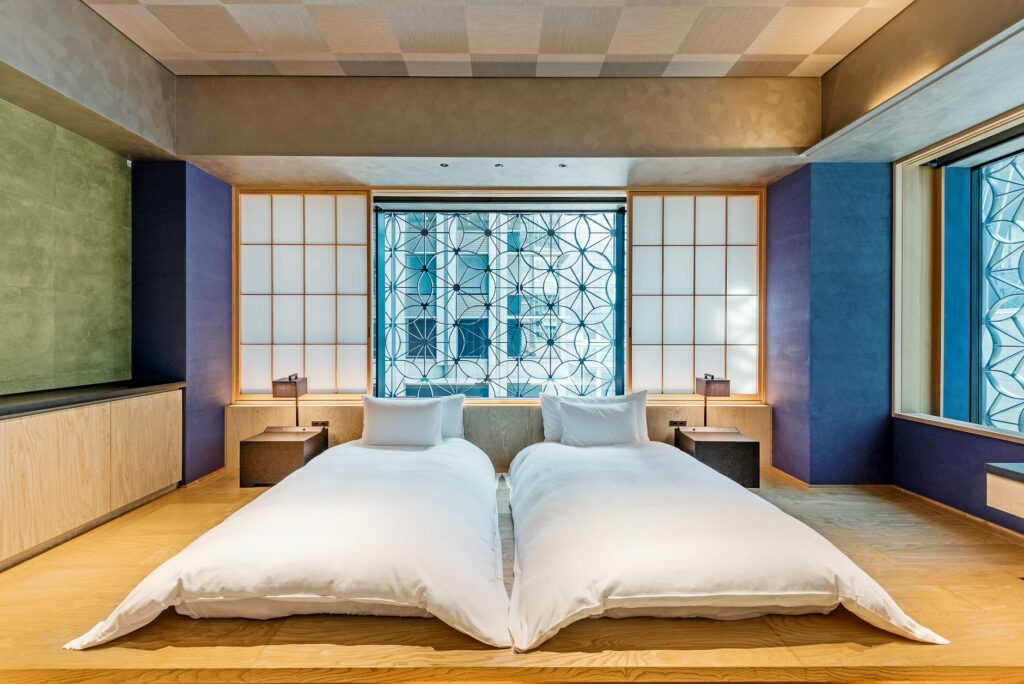
Zen Hotel Design: Stunning Minimalist Luxury for Modern Travelers
Zen hotel design has rapidly gained popularity in the hospitality industry, especially among modern travelers seeking an immersive experience that combines tranquility, elegance, and simplicity. This design philosophy draws inspiration from traditional Japanese aesthetics and mindfulness, creating spaces that emphasize calmness, natural materials, and uncluttered environments. For travelers who value serenity and understated luxury, Zen hotels offer a refreshing alternative to the often overwhelming, overly ornate accommodations found elsewhere.
The Essence of Zen Hotel Design
At its core, Zen hotel design is about achieving balance and harmony between the built environment and its natural surroundings. The principles stem from Zen Buddhism, where simplicity and mindfulness help foster inner peace. This minimalist approach strips away excess decoration, focusing instead on clean lines, muted colors, and thoughtful details that encourage relaxation and contemplation.
Modern travelers increasingly seek environments that reduce stress and promote well-being, which makes Zen-inspired hotels particularly appealing. Unlike conventional luxury that relies on opulence and grandiosity, Zen luxury is subtle, emphasizing quality over quantity and elegance without extravagance. The result is a sanctuary that nurtures the mind and body—a perfect retreat after busy days filled with travel or work.
Key Elements of Stunning Minimalist Luxury in Zen Hotels
Natural Materials and Textures
Wood, bamboo, stone, and paper are common elements in Zen hotel interiors. These natural materials not only ground the design in authenticity but also create a tactile connection to nature. Wooden floors and furniture paired with paper shoji screens or stone accent walls evoke warmth and simplicity. These textures invite guests to slow down and appreciate the environment with heightened senses.
Neutral Color Palettes
Zen hotel spaces often feature colors drawn from nature such as soft beiges, whites, muted greens, and earthy browns. Using a restrained color palette helps keep the environment calm and effortless. Without harsh or overwhelming colors, guests can relax their eyes and minds, which promotes a sense of peacefulness that modern travelers cherish.
Open, Uncluttered Spaces
Space planning is a critical factor in achieving the Zen aesthetic. Minimalist luxury means removing everything that does not serve a purpose. Rooms, lobbies, and common areas are designed to be open and spacious, avoiding overcrowding with furniture or decorative items. This openness enhances light flow and air circulation, which naturally uplifts the mood of anyone inside.
Thoughtful Lighting
Lighting plays a significant role in creating ambiance in Zen hotels. Rather than relying on harsh, direct light, designers use soft, diffused sources such as paper lanterns, recessed LED strips, and candles. This gentle illumination mimics natural light and reduces eye strain, helping guests feel more relaxed and able to sleep better.
Incorporation of Nature
A hallmark of Zen design is the seamless integration of indoor and outdoor environments. Many Zen hotels feature gardens, water elements, or views of natural landscapes. From moss gardens and koi ponds to simple bonsai arrangements inside rooms, these touches maintain a strong connection to nature, which is essential for guests’ mental and emotional well-being.
Why Modern Travelers Are Drawn to Zen Hotel Design
A Retreat from Urban Chaos
With the rise of hectic city lives and digital overload, travelers look for hotels that offer more than just comfortable beds. Zen hotel design provides a sanctuary that minimizes distractions and sensory overload. This quiet simplicity helps guests recharge their mental energy, making it ideal for business travelers juggling demanding schedules as well as leisure tourists seeking peaceful escapes.
Promoting Mindfulness and Well-Being
Many Zen hotels incorporate wellness elements such as meditation spaces, yoga rooms, and spa treatments inspired by Eastern traditions. This focus on mindfulness aligns perfectly with the hotel’s minimalist aesthetic, offering a holistic experience where guests can nurture both their physical and emotional health.
Sustainable and Thoughtful Hospitality
Sustainability is naturally woven into Zen hotel philosophy. The use of local, eco-friendly materials and energy-efficient design reflects a respect for the environment. Modern travelers are increasingly conscious of their carbon footprints and prefer accommodations that share similar values. The understated luxury of Zen design echoes environmental mindfulness without sacrificing style.
Creating a Lasting Impression Through Zen Aesthetics
Hotels that embrace this design ethos often receive high praise not only for their visual appeal but also for the transformative experience they offer. Every detail—from the placement of furniture to the subtle scent of incense—works together to create a serene environment that feels both timeless and inviting. The minimalist luxury of Zen hotel design distinctly sets these properties apart in a crowded marketplace, appealing to discerning travelers who prioritize authenticity and tranquility.
—
In conclusion, Zen hotel design perfectly captures the desires of modern travelers who seek a unique blend of minimalist luxury and calming, nature-inspired environments. By focusing on simplicity, natural materials, open spaces, and mindfulness, these hotels deliver an unforgettable sanctuary that refreshes the soul. For travelers looking to escape the noise and complexity of modern life, embracing the quiet beauty of a Zen-inspired stay is a truly stunning choice.